
How to Start Your First Garden in Fall and Prepare for a Thriving Spring
Updated: Sep 25

Beginner gardeners starting a home garden often hit the same wall fast: excitement on day one, then confusion about where to begin and why things go wrong first. Between mixed advice, surprise plant problems, and the feeling that one mistake ruins everything, the first gardening experience can get stressful before it gets satisfying.
While spring is often considered the beginning of gardening season, fall is an excellent time to start preparing your first garden. Cooler temperatures and the transition between growing seasons offer an opportunity to assess your space, improve your soil, and plan what you want to grow.
A calmer start comes from knowing what actually matters early on and what can wait, so the garden feels manageable instead of mysterious. This is a friendly introduction to fall gardening basics that helps first-timers build confidence and prepare for a successful growing season ahead.
Quick Summary: Start a Garden with Confidence This Fall
Choose a sunny, well-draining spot that stays easy to reach and water.
Prepare healthy soil by adding organic matter and protecting it through the colder months.
Pick beginner-friendly plants that match your space, climate, and growing conditions.
Gather a few basic tools so planting, watering, and seasonal upkeep stay simple.
Follow a seasonal planting guide to know what you can grow in fall and what to save for spring.
Build a One-Page Plant Care Checklist + Seasonal Schedule
Those five beginner moves get even easier to follow when you keep them in one simple, reusable guide.
Create a one-page plant care checklist you can glance at anytime: weekly garden maintenance (quick tidy, pull obvious weeds), plant watering guidelines (check soil first, then water as needed), and pest monitoring tips (scan leaves and stems for changes).
As fall progresses, add a few seasonal tasks to your checklist, such as clearing diseased plant debris, adding compost, protecting exposed soil with mulch, and preparing your garden beds for winter.
Add a seasonal gardening schedule beneath it so you know what to focus on as the year shifts. Fall is a good time to record what you want to grow, research planting dates, and plan your garden layout for the following spring.
Saving your checklist on your phone or keeping a printed copy nearby makes it easy to stay organized and maintain simple gardening habits throughout the year.
From Fall Preparation to a Thriving Spring Garden: A Simple Start Plan
This step-by-step process helps you go from “I want a garden” to a prepared growing space with less guesswork. It matters because most beginner problems come from skipping the basics: light, soil, timing, and simple tool prep.
Starting in fall gives you time to understand your growing conditions and make small improvements before the busy spring planting season arrives.

1. Assess your garden site and pick one spot
Start by watching where the sun hits for the longest stretch and choose a location you can reach easily with a hose or watering can. Notice drainage after a rain and avoid low areas where water sits.
Fall is a good time to assess your available growing space before deciding what you want to plant. Keep in mind that sunlight patterns change throughout the year, so a spot that receives plenty of light in fall may have different conditions during the summer growing season.
A convenient, sunny spot with good drainage makes weekly care far more realistic and gives your future garden a strong starting point.
2. Prep the bed and improve the soil with compost
Healthy soil is the foundation of a thriving garden, and fall is an opportunity to start improving it before the next growing season.
Clear weeds and diseased plant debris, then assess your soil before making improvements. If your soil is compacted, loosen it gently when it is moist but not wet, avoiding unnecessary disturbance of the soil structure.
A reliable baseline is to spread a layer of finished compost over the area. Compost adds organic matter, supports soil structure, and provides nutrients as it decomposes.
Beneficial soil microorganisms also play an important role in maintaining healthy soil. Certain bacteria and fungi help cycle nutrients, improve nutrient availability, and support plant growth through their interactions with roots.
Adding organic matter and protecting the soil with a layer of mulch can help maintain favourable conditions for soil organisms while reducing erosion and exposure during the colder months.
Good soil preparation in fall can save you from struggling with poor growing conditions when spring arrives.
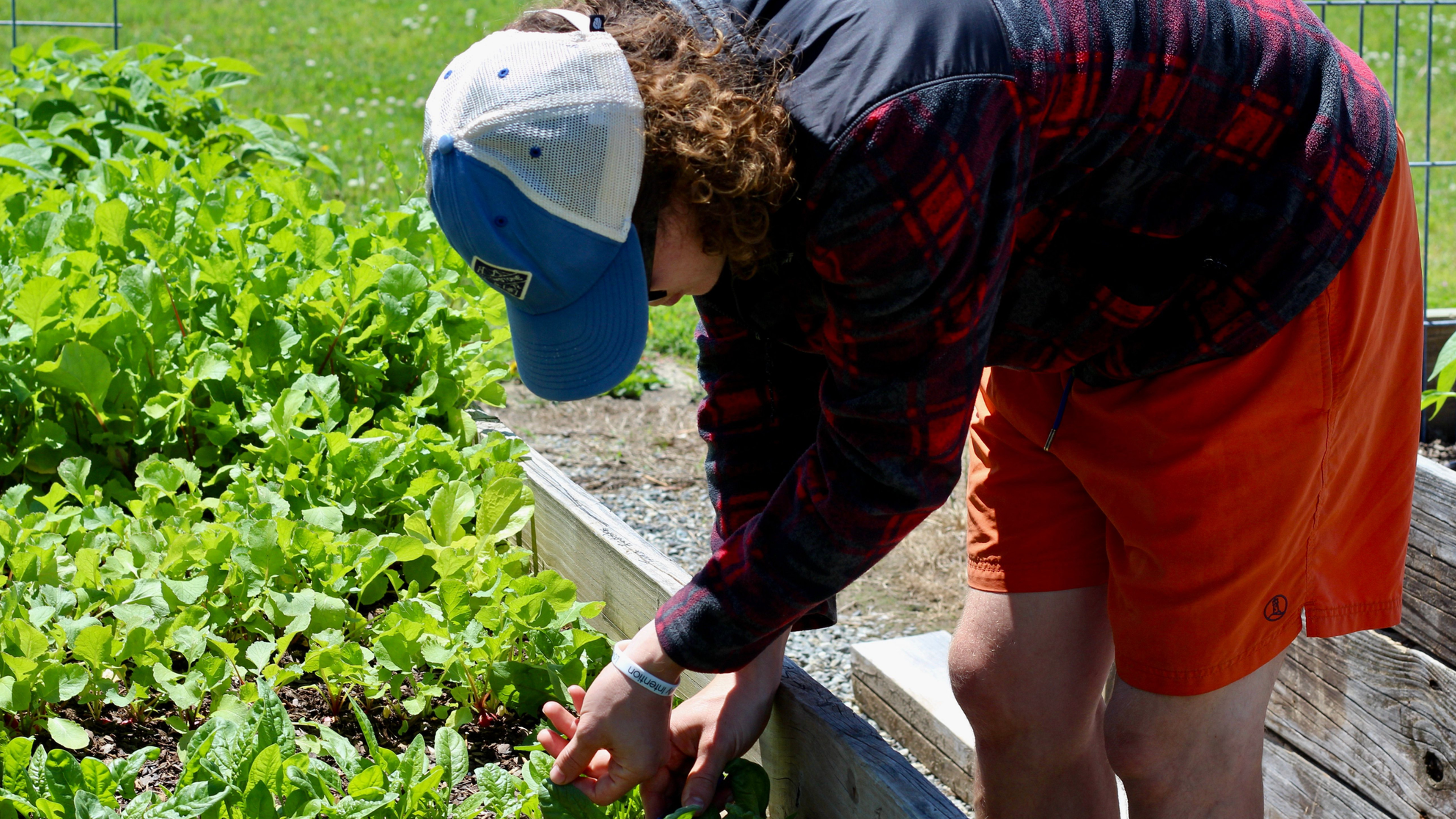
3. Choose easy vegetables that match your space and the season
Pick 2 to 4 crops you actually like to eat and that fit your bed size, then check the seed packet for spacing, growing requirements, and days to harvest.
While many vegetables are planted in spring, some crops can be established in fall, depending on your local climate and growing conditions.
Garlic, for example, is commonly planted in fall in colder regions, allowing it to establish roots before winter and resume growth in spring. In areas with enough time remaining before frost, certain cool-season vegetables may also be suitable for fall planting.
If outdoor planting season is coming to an end, use this time to plan what you want to grow next year. Research beginner-friendly vegetables, consider how much space each plant needs, and prepare a simple planting schedule.
If you already have a garden, use this season’s clues by noting what thrived, what struggled, and whether your plants had enough room.
Fewer, well-chosen plants are easier to keep healthy than an overcrowded mix.
4. Gather and prep a small set of essential tools
Stick to the basics: gloves, a trowel, pruners, a watering can or hose nozzle, and a rake or hoe for quick cleanup.
Fall is an ideal time to organize, clean, sharpen, and oil what you already own so everything works smoothly when you need it.
Remove soil and plant debris from tools before storing them in a clean, dry location. This simple habit helps keep equipment in good condition and ready for spring planting.
Taking stock of your gardening supplies now also gives you time to identify what you actually need without rushing to purchase unnecessary equipment.
Simple tool readiness prevents rushed, sloppy planting when the next growing season begins.
5. Plant for the season, then prepare for spring
If you are planting fall crops, check your local frost dates and follow the recommended planting instructions for each variety.
Direct-sow seeds at the depth listed on the packet and label rows so you do not “weed” your seedlings by mistake. For transplants, dig a hole about as deep as the pot, set the plant in gently, firm the soil, and water slowly to settle roots.
For the first week, check soil moisture regularly and water only as needed. Cooler fall temperatures generally slow evaporation, so watering requirements may be different from those during the warmer summer months.
If the outdoor growing season has already ended in your region, focus on preparing your garden beds for winter instead.
Remove diseased plant material, protect exposed soil with suitable mulch, and make notes about your planting plans for next spring.
A little preparation now can make the transition into spring gardening easier and more manageable.
Beginner Fall Garden Questions, Answered
Q: How can I improve garden soil in fall if it is hard or sandy?
A: Start with organic matter, not fertilizer. Add a layer of finished compost to improve soil structure and support nutrient cycling, then top with mulch to help protect the soil over winter. Avoid working wet soil because it compacts and stays tough.
If you are unsure about your soil’s nutrient levels or pH, fall is also a good time to arrange a soil test so you can make informed decisions about soil amendments before spring.
Q: What are the easiest healthy plant indicators to check each week?
A: Look for steady growth, upright stems, and leaves that are evenly green for that plant type. Check the underside of leaves for specks, sticky residue, or webbing, which can signal pests early.
Keep in mind that some plants naturally slow their growth or begin to lose their leaves as temperatures drop in fall. Understanding seasonal changes can help you distinguish normal plant behaviour from signs of stress.
Q: How do I protect my garden soil during winter?
A: Cover exposed garden beds with a suitable layer of organic mulch, such as shredded leaves or clean straw, to help reduce erosion, moderate soil temperature fluctuations, and protect the soil surface.
You can also consider growing cover crops where your climate and planting schedule allow. Cover crops help keep soil covered and can contribute organic matter when they are managed appropriately.
Avoid leaving garden beds completely bare through winter, especially in areas exposed to heavy rain, snowmelt, or strong winds.
Q: What should I do with fallen leaves in my garden?
A: Healthy fallen leaves can be a useful source of organic matter. Shred them and spread a suitable layer over your garden beds or add them to your compost pile.
As leaves decompose, they contribute organic matter to the soil and support the organisms involved in nutrient cycling.
Avoid using leaves that are heavily affected by plant diseases if you are unsure whether your composting process will adequately manage the pathogens.
Q: How do I prevent common plant diseases without spraying harsh chemicals?
A: Water at the soil line in the morning so leaves dry quickly. Give plants enough space for airflow and remove diseased or heavily spotted plant material when necessary.
As you prepare your garden for winter, clear away diseased crop debris that may harbour pathogens. Clean pruners between plants if you are cutting anything suspicious.
Healthy soil, appropriate plant spacing, and regular monitoring are simple habits that can help reduce disease problems throughout the growing season.
Q: When should I worry about yellow leaves, and when is it normal?
A: A few older leaves turning yellow near the base can be normal, especially as plants grow and shade them out.
In fall, some plants naturally turn yellow or begin to die back as temperatures cool and daylight hours shorten.
Worry when yellowing spreads quickly, comes with unusual spots, or the plant looks droopy even after watering. Check drainage and moisture first, then look for pests under the leaves.
Understanding the difference between normal seasonal changes and signs of plant stress can help you avoid unnecessary treatments.
Small, Steady Habits That Keep a First Garden Thriving
Starting a first garden can feel like a lot: soil questions, mystery spots on leaves, changing weather, and the uncertainty of knowing when to plant.
Fall offers a chance to slow down, observe your growing space, and focus on the simple steps that make gardening more manageable.
Whether you are planting garlic, preparing a garden bed, adding compost, or planning next year’s vegetables, each small task helps build your confidence and understanding of how a garden grows.
The steady path is simple: focus on observation, small adjustments, and consistent care rather than chasing perfection.
When that mindset guides each decision, gardening motivation stays high, and the benefits of home gardening start showing up in everyday meals, stress relief, and pride in progress.
A thriving garden is built on small, repeated choices, not perfect days. And sometimes, the best time to start preparing for a successful spring garden is in fall.
Disclaimer: This article is provided for educational and informational purposes only. Crop management practices, fertility programs, application rates and growing conditions may vary by crop, location, soil type and production system. Growers should consult a qualified crop specialist, agronomist or other agricultural professional before making changes to their production practices.
About the Blogger:
Roger Bayless lives a gardeny kind of life, and he wants others to do the same! His website, gardeny.org, provides countless articles that sing gardening’s praises as a handy dandy way to boost physical and mental health.
References:
Dripworks (2026, April 23). Month-by-month garden checklist: What to do all year long.
Wells, K. (2026, April 2). Spring garden checklist for an easier garden season. Wellness Mama.
Westerly Agway. (2025, January 1). Planning your 2025 vegetable garden: Tips for success. https://westerlyagway.com/blogs/news/planning-your-2025-vegetable-garden-tips-for-success


Comments